
You step into the hallway after a heavy Alabama storm and notice a faint water stain on the ceiling. It’s small. Easy to ignore. But moments like this are usually when homeowners start asking the same question: roof repair vs replacement, which one do I actually need?
In Central Alabama, where heat, humidity, and sudden storms work roofs hard year-round, that decision matters more than most people realize. The wrong call can mean paying twice. The right one can save you years of stress.
At IRoof, we’ve helped homeowners make this call for over 25 years, without pressure, scare tactics, or guesswork.
Key Takeaways
- Roof repair vs replacement comes down to damage size, roof age, and long-term risk, not just today’s cost.
- Many expensive roof failures start as small, repairable issues that go unchecked.
- Knowing the right roof replacement signs helps you act before damage spreads.
If you’re unsure which path makes sense, IRoof is here to help you think it through. Schedule your free inspection and let’s protect your home, together.
Breaking Down Roof Repair vs Replacement for Central Alabama Homes
At its core, roof repair vs replacement comes down to two things: how much of the roof is affected and how long you need the solution to last. Both options have their place, but they solve very different problems, especially in Alabama’s climate.
Roof Repair: Targeted Fixes for Localized Problems
A roof repair is designed to address a specific issue without disturbing the rest of the roof. This might include replacing a handful of missing or damaged shingles, resealing flashing around a chimney or vent, or repairing a small leak caused by storm debris.
For many homeowners, repair makes sense when:
- The roof is still relatively young
- Damage is limited to one area
- The issue is tied to a recent storm, not ongoing wear
Repairs are usually quicker and come with a lower roof repair cost upfront, which can be a smart move on a roof that still has plenty of life left. When done correctly and at the right time, a repair can extend the roof’s lifespan and keep water out where it belongs.
The key thing to remember: repairs work best on healthy roofs. If the surrounding materials are already worn down, a repair may only act as a short-term patch.
Roof Replacement: A Long-Term Solution for Widespread Issues
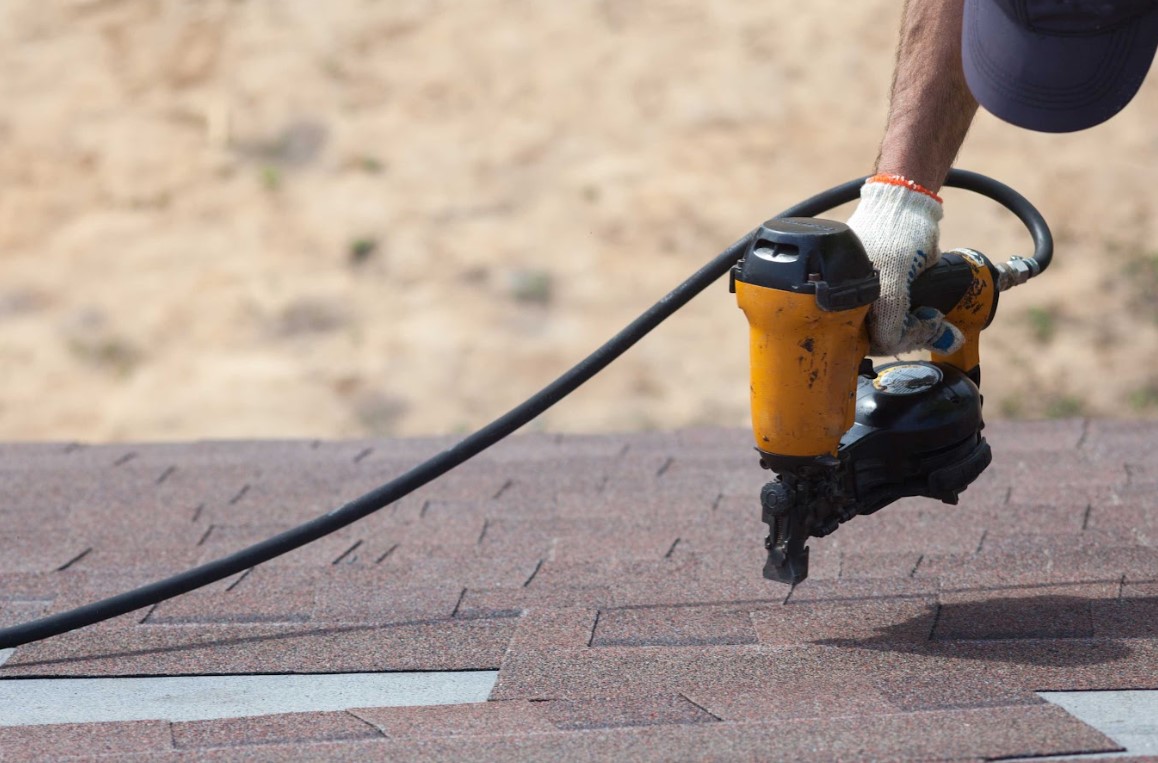
A roof replacement looks at the roof as a complete system, not just the spot where the leak shows up. It involves removing the existing roofing materials, inspecting the decking underneath, and installing a new roofing system built to protect your home for decades.
Replacement is often the better choice when:
- The roof is near or past its expected lifespan
- Leaks are recurring or showing up in multiple areas
- Shingles are brittle, curling, or losing granules across large sections
- Moisture has reached the decking or attic space
While replacement costs more upfront, it dramatically lowers the risk of future problems. For many Central Alabama homeowners, it also brings added benefits like improved energy efficiency, stronger warranties, and peace of mind during storm season.

Why This Decision Matters More in Central Alabama
Alabama roofs work harder than many homeowners realize. Our climate speeds up wear in ways that aren’t always visible from the ground.
- Heat and UV exposure break down shingles faster, making older roofs less forgiving
- Humidity increases the risk of rot and mold once moisture gets inside
- Frequent storms cause repeated stress, even when damage isn’t obvious
In this environment, a repair on an aging roof may stop today’s leak, but it won’t prevent the next one. That’s why choosing the right path early can save money, stress, and repeated disruptions down the road.
At IRoof, we help homeowners understand not just what’s wrong, but what makes the most sense long-term, so you can protect what matters most with confidence.
Important Factors to Consider Before Choosing Roof Repair vs Replacement
Before deciding between roof repair vs replacement, it helps to slow down and look at the full picture, not just the problem you see today. A smart decision weighs how your roof is performing overall, how long you need it to last, and what risks you’re comfortable taking. Here’s how we help Central Alabama homeowners think it through.
Damage Scope
How big is the problem?
Start by looking at where the damage is. A few missing or cracked shingles in one spot, or flashing that’s failed around a vent, usually point toward a repair. But when leaks show up in multiple rooms, shingles are failing across large sections, or decking feels soft, that’s a sign the roof system itself may be wearing out.
Localized problems are fixable; widespread ones usually aren’t.
Roof Age
How much life is left?
Every roof has a natural lifespan. In Alabama’s heat and humidity, asphalt shingles often wear out faster than homeowners expect. If your roof is nearing the end of its expected life, repairs may stop today’s leak, but won’t reset the clock.
This is usually when homeowners start asking, should I replace my roof now, or keep patching it and hope for the best?
Repair History
Is this a one-time issue or a pattern?
A single repair after a storm is normal. Multiple repairs over a few years, especially in different areas, often mean the roof is failing in stages. When fixes start stacking up, replacement often becomes the more reliable and less stressful option.
Budget vs Risk
What’s the real cost over time?
A lower roof repair cost can feel like the safer choice upfront. But if that repair only buys a few months or a year before the next issue pops up, the total cost can quietly exceed a replacement. The real question isn’t just “What does this cost today?” but “How many times do I want to pay for this problem?”
Future Plans
Are you staying put or thinking ahead?
If you plan to stay in your home long-term, reliability and peace of mind usually matter most. If you’re planning to sell or refinance, a new roof can remove buyer concerns and strengthen your home’s value. Either way, the right choice should support your next chapter, not create new headaches.
At IRoof, our goal isn’t to push you toward replacement or repair. It’s to give you clear, honest information so you can choose confidently, knowing exactly what you’re paying for and why.
The Most Common Roof Problems That Start Small but End Expensive
Most major roof failures don’t begin with a dramatic collapse or a ceiling caving in. They usually start quietly, easy to miss, easy to ignore, and easy to underestimate.
Minor Shingle Damage
A single cracked, curled, or lifted shingle might not look like a big deal from the ground. But shingles work as a system. Once one fails, wind and rain can push water underneath the surrounding materials. Water doesn’t drip straight down; it travels. When it reaches the decking or insulation, repair costs climb fast.
Flashing Failures
Flashing is the metal that seals the roof around chimneys, vents, skylights, and wall connections. Over time, heat, moisture, and movement can cause flashing to crack or pull away. These leaks are often slow and hidden, allowing damage to spread for months before any stains show up inside the home.
Granule Loss
If you’re seeing shingle granules in your gutters or at the base of downspouts, your roof is losing its protective layer. Granule loss leaves shingles exposed to sun and moisture and is one of the earliest roof replacement signs, especially on aging asphalt roofs in Alabama’s heat.
Poor Ventilation
A poorly ventilated attic traps heat and moisture, which wears out shingles from underneath. This not only shortens roof lifespan but also forces your HVAC system to work harder, driving up energy bills. Over time, moisture buildup can lead to mold, rot, and structural concerns.
When these issues are caught early, a targeted repair is often enough. When they’re ignored, they tend to snowball, turning small fixes into full roof replacements.
How Roof Age and Material Impact Repair and Replacement Decisions
Roofing material plays a major role in how long repairs make sense.
- Asphalt shingles: 20–30 years, depending on quality and installation
- Metal roofing: 40–50+ years
- Tile or slate: Can last decades, but underlayment may not
As roofs age, materials lose flexibility. Repairs still work, but their lifespan shortens. This is when homeowners often ask again, should I replace my roof now instead of paying for another repair?
In many cases, replacement becomes the safer long-term solution.
What Happens During a Residential Roof Replacement? Step-by-Step
Knowing what to expect helps remove uncertainty.
Tear-Off and Inspection
Old materials are removed. Decking is inspected for hidden damage.
Deck Repairs (if needed)
Any compromised wood is replaced to ensure a solid foundation.
Underlayment and Protection
Moisture barriers and flashing are installed to seal vulnerable areas.
New Roofing Installation
Shingles or panels are installed according to the manufacturer’s and Alabama code standards.
Final Cleanup and Inspection
We leave your property clean, and your roof ready.
At IRoof, every replacement is backed by a 10-year workmanship warranty and up to a 50-year manufacturer warranty.
The Hidden Costs of Delaying the Decision
Putting off a decision doesn’t freeze damage; it lets it grow.
Delays can lead to:
- Interior drywall and insulation damage
- Mold growth
- Structural rot
- Higher long-term costs
A Simple Way to Decide Without Guesswork
Here’s a quick homeowner check:
- Damage is localized → Repair
- Roof is near end-of-life → Replace
- Leaks keep coming back → Replace
- Budget is tight, butthe roof is young → Repair
- You want long-term peace of mind → Replace
If you’re still unsure, that’s normal, and exactly why inspections exist.