If you’ve lived in Central Alabama for any amount of time, you already know your roof has a tough job.
One season brings intense heat that bakes shingles day after day. The next brings sudden storms, heavy rain, and strong winds that test every part of your roofing system. Over time, that wear adds up.
That’s why choosing the best roofing material for homes isn’t just about appearance; it’s about how your roof performs when it matters most.
At IRoof, we’ve spent over 25 years helping homeowners choose roofing systems that hold up in real Alabama conditions. We’re not here to push one option; we’re here to help you understand what actually works for your home.
Key Takeaways
- The best roofing material depends on your home’s structure, your budget, and how long you plan to stay
- Asphalt shingles and metal roofing each offer different strengths in heat, storms, and lifespan
- A professional inspection helps match the right roofing system to your specific situation
If you’re not sure where to start, we’re your neighbor with a roofing license.
Schedule your free inspection, and we’ll walk you through your options, no pressure, no guesswork.
How The Best Roofing Material For Homes Handles Alabama Weather
Before you choose between different types of residential roofs, it helps to understand what your roof is dealing with every day.
In Central Alabama, your roof isn’t just sitting there; it’s constantly working against:
- High UV exposure that dries out materials
- Heavy rain that tests every seam and edge
- Strong winds that lift and loosen shingles
- Humidity that traps moisture and accelerates wear
That’s why a simple roofing material comparison has to go beyond price or appearance.
A roofing system is made up of multiple layers working together:
- The outer layer (shingles or metal panels) sheds water
- The underlayment adds a second line of protection
- Flashing seals the most vulnerable areas, like vents and edges
- Ventilation helps regulate heat and moisture inside your attic
If one part of that system fails, it puts stress on everything else.
That’s why choosing the right material isn’t just about today, it’s about how your roof will perform five, ten, or twenty years from now.
A good roofing material guide should help you choose something that’s built for Alabama weather, not just something that looks good on day one.
Important Factors To Consider Before Choosing The Best Roofing Material For Homes
Before you dive into comparing options, take a step back and think about what your home actually needs.
Budget: What Makes Sense For You Right Now?
Every homeowner has a different starting point.
Architectural shingles are often more budget-friendly upfront, making them a strong choice if you need reliable protection without a large investment. On the other hand, metal roofing typically costs more at the beginning but can reduce long-term repair and replacement costs.
There’s no right or wrong answer; it’s about what fits your situation.
Lifespan: How Long Do You Want This Roof To Last?
Some roofing materials are designed for mid-range lifespans, while others are built to last decades longer.
If you plan to stay in your home for many years, it may make sense to invest in something with longer durability. If your timeline is shorter, a dependable, cost-effective solution may be the better choice.
Maintenance: How Hands-On Do You Want To Be?
Some homeowners want a roof they can set and forget. Others don’t mind occasional upkeep.
Asphalt shingles are generally low-maintenance and easy to repair. Metal roofing systems require even less ongoing attention once installed properly.
The key is choosing something that matches how involved you want to be over time.
Weather Resistance: Can It Handle Local Conditions?
This is where Central Alabama really matters, because our climate is very unique.
Your roof needs to handle:
- Sudden storms with high winds
- Long stretches of heat and sun
- Heavy rainfall and moisture buildup
The best roofing material for homes in this area is one that stands up to all of those, not just one.
Home Style And Curb Appeal: What Looks Right?
Your roof is one of the most visible parts of your home.
Some homeowners prefer a traditional look, while others want something more modern. The good news is that both asphalt shingles and metal roofing offer a range of styles.
Just remember, appearance matters, but performance matters more.
Roofing Material Comparison: Asphalt Shingles vs Metal Roofing
When homeowners compare types of residential roofs, most decisions come down to asphalt shingles or metal roofing.
Both are strong options, but they serve different priorities.
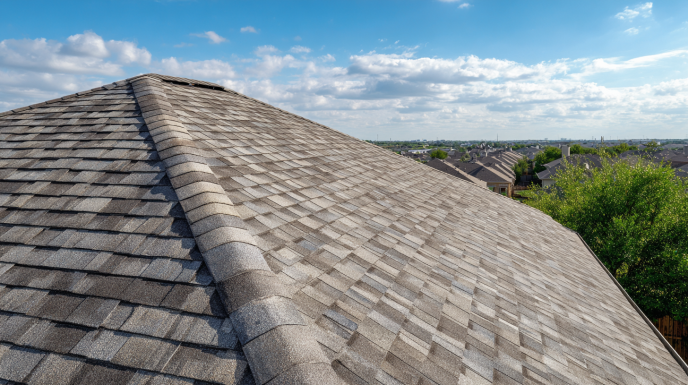
Asphalt shingles are widely used because they’re affordable, versatile, and easy to repair. They work well for homeowners who want dependable protection without overcomplicating the process.
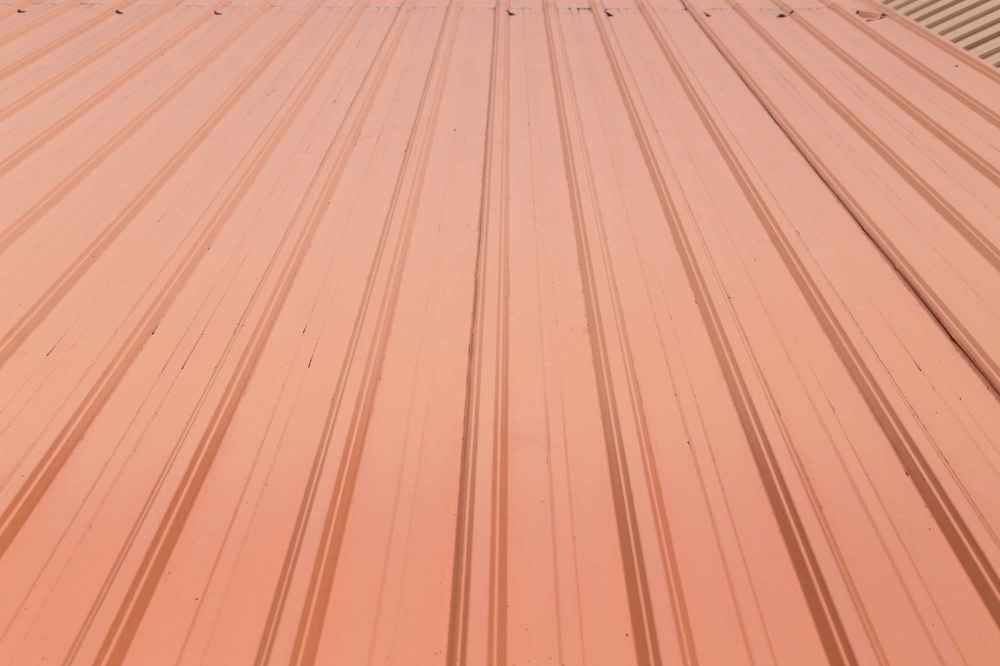
Metal roofing, on the other hand, is known for durability and longevity. It handles heat well, resists storm damage, and often lasts significantly longer than traditional shingles.
The key difference isn’t which one is “better”, it’s which one fits your goals.
If you’re focused on upfront cost and flexibility, asphalt may be the right choice.
If you’re thinking long-term and want maximum durability, metal may be worth the investment.
Types Of Residential Roofs That IRoof Installs
Architectural Asphalt Shingles
Architectural shingles have become the go-to choice for many homeowners, and for good reason.
They offer a strong balance between affordability, durability, and appearance. Their layered design gives your roof more depth and helps it perform better in wind than basic shingles.
For most homeowners, this is the most practical starting point when choosing the best roofing material for homes.
Luxury Asphalt Shingles
Luxury shingles take things a step further.
They’re designed to mimic the look of high-end materials like slate or cedar, but without the high cost or added weight. They’re thicker, more durable, and add a more refined look to your home.
If you want your roof to stand out without stepping into premium pricing, this is a strong option.
Steel Roofing
Steel roofing offers a different kind of advantage: performance.
It reflects heat, holds up well in storms, and resists corrosion when properly coated. It’s also lightweight, which makes it a good fit for many homes.
For homeowners looking for a balance of durability and efficiency, steel roofing is worth considering.
Standing Seam Metal Roofing
Standing seam is one of the most durable roofing systems available today.
Its raised seams and hidden fasteners reduce the risk of leaks and damage, especially during heavy storms. It’s designed to last for decades and requires very little maintenance over time.
If you’re planning to stay in your home long-term, this is one of the strongest options in any roofing material comparison.
What Your Roof Will Experience Over The Next 10–20 Years
When choosing the best roofing material for homes, most homeowners think about today, cost, appearance, and installation.
But the better question is:
What will this roof go through over the next 10 to 20 years?
Because your roof isn’t just a one-time purchase, it’s a long-term system that will be tested year after year.
Year 1–3: Settling And Early Performance
In the first few years, most roofing systems perform well across the board.
Shingles are fully sealed, materials are flexible, and everything is working as designed. At this stage, the difference between materials isn’t always obvious.
But this is also when installation quality matters most. Poor flashing, weak sealing, or ventilation issues can begin to show early, even with high-quality materials.
Year 5–10: The First Signs Of Wear
This is where differences between materials start to become clear.
With asphalt shingles, you may begin to see:
- Minor granule loss
- Slight color fading
- Early signs of seal weakening
With metal roofing, performance typically remains steady, and there is minimal visible wear.
In Central Alabama, heat and UV exposure accelerate this stage. Roofs that aren’t built for this environment can start to show wear sooner than expected.
Year 10–15: Performance Becomes The Priority
At this point, your roof is no longer “new.” It’s now proving how well it holds up over time.
For asphalt systems, this may include:
- Increased maintenance needs
- Repairs after storms
- More noticeable aging
Metal roofing systems often continue performing with minimal changes, especially when properly installed.
This is also when many homeowners begin asking whether repairs are enough, or if it’s time to plan for replacement.
Year 15–25: Long-Term Value Shows Up
This is where your original decision really pays off, or starts to cost more.
A well-installed asphalt roof may still be performing, but likely with more repairs and maintenance.
A metal roof, especially standing seam, is often still going strong with fewer issues and less upkeep.
This is why a proper roofing material comparison should always include long-term cost, not just upfront pricing.
Why This Matters For Your Decision Today
Thinking about your roof in phases changes how you approach the decision.
Instead of asking:
“What’s the cheapest option right now?”
You start asking:
“What will this roof cost me over time?”
“How often will I need repairs?”
“How will it perform during storms year after year?”
That’s the difference between choosing a roof and choosing the right roof.
At IRoof, we help homeowners think through these long-term factors so you’re not surprised later. We’ll walk you through how each option performs over time and what that means for your home.
Because the goal isn’t just to install a roof, it’s to install one that holds up when it matters most.
How To Choose The Right Roofing Material For Your Home
Choosing between different types of residential roofs can feel overwhelming, but it doesn’t have to be.
Start with one simple question: How long do I plan to stay in this home?
If you’re staying short-term, a reliable asphalt system often makes the most sense.
If you’re staying longer, you may want to invest in something more durable, like metal.
Then consider your environment:
- Homes with more sun exposure benefit from reflective materials
- Homes with more tree coverage may need easier repair options
- Homes in open areas may need stronger wind resistance
Every home is different, and the right choice should reflect that.
What Homeowners Often Miss In A Roofing Material Guide
Installation Quality Matters Just As Much As The Material
Even the best roofing material for homes won’t perform if it’s installed poorly.
That’s why we focus on doing the job right from start to finish, proper sealing, flashing, ventilation, and cleanup.
Warranties Matter More Than You Think
There’s a difference between product warranties and workmanship warranties.
At IRoof, we back our work with a 10-year workmanship warranty because we believe your roof should last the way it’s supposed to.
Local Experience Makes A Difference
Alabama’s weather is different from other parts of the country.
Working with a contractor who understands local conditions helps you avoid mistakes and choose materials that actually hold up over time.
The Right Roofing Material Makes The Decision Easier
Choosing the right roof doesn’t have to be complicated.
- Architectural shingles offer practical, reliable protection
- Luxury shingles provide a more refined look
- Steel roofing adds durability and efficiency
- Standing seam metal delivers long-term performance
The best choice is the one that fits your home, your budget, and your plans.