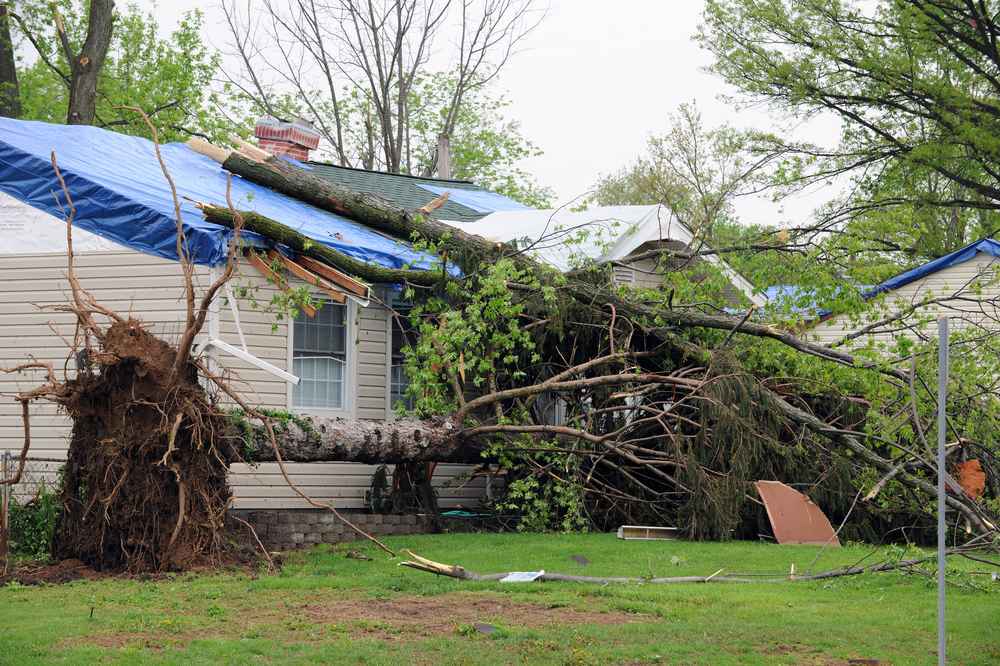
After a strong storm moves through Central Alabama, most of us step outside and take a quick look around. Maybe a few branches are down. Patio furniture has shifted. Then we glance up at the roof.
If nothing looks dramatic, it’s easy to assume everything is fine.
The reality is that storm damage to your roof does not always show obvious signs right away. Wind, hail, and even inland hurricane systems can weaken your roofing system quietly, and that is when problems begin later.
At IRoof, we have spent more than 25 years helping homeowners understand what storm damage truly looks like and what to do next.
Key Takeaways
- Storm damage to your roof often begins with subtle issues that worsen over time.
- Wind damage can lift shingles and break protective seals.
- Hail and hurricane-related damage may cause hidden structural problems.
If your home has recently experienced severe weather, IRoof is here to help. Schedule your free inspection, and let’s protect your home together.
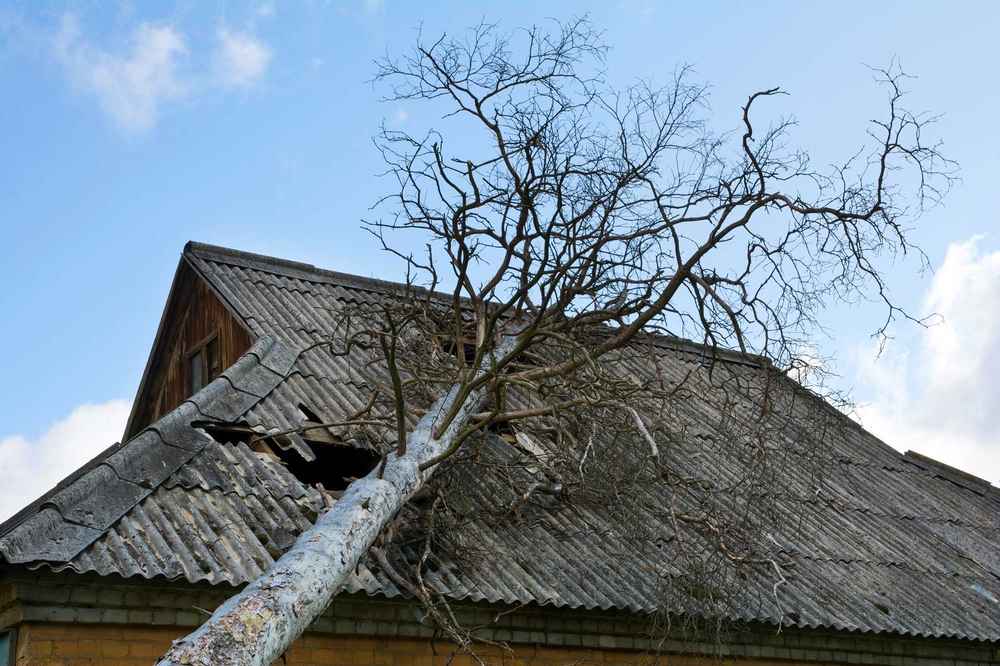
How Storm Damage Affects Roofs in Central Alabama
Storms in Central Alabama are not mild events. They arrive with force, shift quickly, and often layer multiple threats at once, wind, hail, and heavy rain working together.
Understanding how these forces impact your roof helps you spot problems early and avoid expensive repairs later.
Severe Thunderstorms Bring High Winds and Uplift Pressure
In Central Alabama, spring and early summer storms regularly produce wind gusts exceeding 60 mph.
Here’s what happens:
- Wind creates uplift pressure at the roof edges and ridgelines.
- Air pushes underneath shingle tabs.
- Adhesive strips weaken or detach.
- The next storm lifts them even higher.
Wind damage to a roof often begins at the edges, corners, and ridge caps, the most exposed areas. Once a shingle lifts, water can enter beneath it even if the shingle appears intact.
This type of damage does not always remove shingles immediately. Sometimes it simply weakens them, setting up failure during the next storm.
Hail Impacts Weaken the Surface of Your Shingles
Hailstorms are common during Alabama’s severe weather season. Even small hailstones can damage asphalt shingles.
When hail strikes a roof, it can:
- Knock protective granules off the surface
- Create soft bruised spots in the shingle mat
- Crack or fracture the aging shingles
- Dent metal flashing and vents
Granules protect shingles from ultraviolet rays and weathering. When they are dislodged, the exposed asphalt deteriorates more quickly in Alabama’s intense sun.
Hail damage is often difficult to see from the ground. The roof may look fine at first glance, but weakened shingles lose durability over time.
Heavy Rain Exploits Weak Points in the Roofing System
Alabama storms frequently bring intense rainfall in short periods. When wind drives rain sideways, water does not just fall downward; it pushes under vulnerable seams.
Your roofing system is layered for protection:
- Shingles act as the first barrier against water.
- Underlayment provides a secondary moisture barrier.
- Flashing seals roof penetrations, chimneys, and valleys.
- Ventilation components help regulate airflow and reduce trapped moisture.
If wind lifts shingles or flashing becomes loose, heavy rain finds those weak points quickly. Once water reaches the underlayment or roof decking, damage spreads quietly.
This is why many roof leaks appear days or even weeks after a storm.
Inland Hurricane Systems Still Cause Structural Stress
Although Central Alabama is not on the coast, tropical systems that move inland still carry powerful winds and sustained rainfall.
- Hurricane-related roof damage may include:
- Widespread shingle displacement
- Flashing separation
- Ridge cap failure
- Water intrusion in attic spaces
Sustained winds apply pressure repeatedly rather than in short bursts. That prolonged stress can weaken fasteners and seals across large sections of the roof.
Even well-maintained roofs can experience stress during these events. Older roofs are especially vulnerable.
Why Storm Damage Often Goes Unnoticed at First
The most important thing homeowners should understand is this: Storm damage rarely begins with a dramatic failure.
It begins with small, almost invisible issues:
- A slightly lifted shingle tab
- A cracked sealant strip
- A few missing granules
- A small gap in flashing
From the ground, everything may look normal. But those small failures allow moisture to enter gradually. Over time, decking can soften, insulation can absorb water, and mold can begin to form.
By the time interior ceiling stains appear, the damage has often been developing for weeks or months.
How Roof Age and Installation Quality Affect Storm Resistance
Not all roofs respond to storms the same way.
Three factors largely determine how your roof performs during severe weather:
- Roof age: Adhesive seals weaken after several years of heat exposure.
- Installation quality: Proper nailing patterns and flashing placement are critical.
- Material type: Architectural shingles generally perform better than basic three-tab shingles.
Older roofs in Central Alabama face repeated cycles of heat, humidity, and storm stress. Over time, that combination reduces overall resilience.
Storm damage does not always create immediate collapse. It usually starts as a small failure point that worsens with each storm.
Important Factors to Consider Before Ignoring Roof Damage
Before deciding that “everything looks fine,” pause for a moment. Storm damage often hides in plain sight. A quick visual check from the driveway is not always enough.
Here are the key factors every Central Alabama homeowner should think through before dismissing potential roof damage.
Roof Age: Older Roofing Systems Are More Vulnerable
The age of your roof plays a major role in how it responds to storms.
In Central Alabama, asphalt shingle roofs typically last 20–30 years under normal conditions. However, repeated exposure to heat, humidity, and storm cycles shortens that lifespan. After 10–15 years, adhesive seals naturally weaken. That means wind uplift becomes more likely.
An older roof may look intact after a storm, but lifted tabs, brittle shingles, and weakened flashing can create hidden vulnerabilities. Even moderate wind can cause damage when materials have aged.
If your roof is more than 15 years old, a post-storm inspection becomes even more important.
Storm Severity: Not All Storms Cause the Same Damage
Many homeowners underestimate what “non-severe” storms can do.
Was hail reported nearby? Even pea-sized hail can bruise shingles and loosen protective granules. Did wind gusts exceed 50–60 mph? That is often enough to lift aging shingles.
The challenge is that damage does not always happen evenly. One slope of your roof may be hit harder than another. Neighbors can experience different outcomes in the same storm based on exposure and roof condition.
If your area experienced severe thunderstorm warnings, hail advisories, or strong wind gusts, your roof deserves a closer look, even if it appears intact.
Home Exposure: Location Matters More Than You Think
Where your home sits has a direct impact on storm stress.
Homes near open land, lakes, or elevated terrain experience stronger wind pressure. Wind accelerates across open areas and concentrates along roof edges and ridges.
Tree coverage also plays a role. While trees can block wind, they can also introduce debris impact. Falling limbs, even small ones, can scuff granules or crack shingles.
Homes in exposed neighborhoods, hilltops, or near water often experience more wind-related stress than homes sheltered in dense subdivisions.
If your property is highly exposed, proactive inspections are especially important.
Interior Warning Signs: The Damage May Already Be Inside
Sometimes the first sign of roof damage appears indoors.
Look for:
- Ceiling stains or discoloration
- Bubbling or peeling paint
- Musty odors in attic spaces
- Damp insulation
- Visible daylight through the roof boards
These signs indicate that water has already bypassed the outer roofing layer.
The problem with interior signs is timing. By the time you see staining, the damage may have been developing for weeks or months.
If you notice even subtle interior changes after a storm, do not ignore them.
Insurance Timelines: Documentation Matters
Many homeowners assume they can wait and file a claim later if needed. That can create problems.
Insurance policies often have reporting deadlines. The sooner damage is documented, the easier the claims process becomes. Delays can complicate coverage, especially if additional storms occur.
Clear photographs, timestamps, and professional inspection reports strengthen your position.
If you suspect storm damage, prompt inspection protects both your home and your potential claim.
Why Waiting Rarely Works in Your Favor
Storm damage does not repair itself.
Lifted shingles do not reseal.
Cracked flashing does not tighten.
Water intrusion does not dry without consequences.
The sooner damage is evaluated, the more repair options you typically have. Small repairs today often prevent full replacements tomorrow.
At IRoof, our goal is simple: provide honest, pressure-free inspections so you can make informed decisions. When it comes to storm damage, early action protects what matters most.
The Three Primary Types of Storm-Related Roof Damage
Storm damage does not look the same in every situation. In Central Alabama, wind, hail, and tropical systems each affect roofing materials differently. Understanding how each type of storm impacts your roof helps you recognize early warning signs before problems escalate.
1. Wind Damage to Roof Shingles
Wind is often the first and most common cause of storm-related roof damage. High gusts create uplift pressure, which forces air beneath the edges of shingles. When that pressure builds, shingles can lift, crease, or completely detach.
Wind damage typically begins at roof edges, ridgelines, and corners, the areas that experience the greatest exposure. You may notice lifted or missing shingles, creased tabs where the material has bent backward, or exposed nail heads that were once sealed beneath overlapping layers. Ridge caps are also vulnerable, as they sit directly along the roof’s highest and most wind-exposed point.
Once the adhesive seal beneath a shingle breaks, it rarely reseals properly. Even if the shingle falls back into place, it is now more likely to fail during the next storm. That is why wind damage often worsens gradually over multiple weather events.
2. Hail Damage to Roof Surfaces
Hail damage is different from wind damage because it impacts the shingle surface rather than lifting it. Even relatively small hailstones can bruise or fracture asphalt shingles. The damage is not always dramatic, but it can significantly shorten the roof’s lifespan.
A hail-damaged roof may show circular impact marks, areas where protective granules have been knocked loose, or soft spots that feel spongy when pressed. You may also see dents in metal flashing, roof vents, or gutters, which often serve as visible confirmation of impact.
Granules are not just cosmetic. They protect shingles from ultraviolet rays and slow down weathering. When granules are removed, the exposed asphalt underneath begins to deteriorate more quickly, especially in Alabama’s intense sun. Over time, those weakened areas can crack and allow water intrusion.
3. Hurricane-Related Roof Damage
Although Central Alabama is not on the coastline, inland communities still experience hurricane-related roof damage when tropical systems move north. These storms bring sustained wind combined with prolonged, wind-driven rain.
Unlike short bursts of wind, tropical systems apply continuous pressure. Repeated stress can loosen flashing, lift shingles across larger sections of the roof, and compromise vulnerable areas such as valleys and penetrations around chimneys or vents.
Hurricane-related damage often includes widespread shingle displacement, flashing separation, attic moisture intrusion, and structural stress along roof edges. Even if the storm passes quickly, heavy rainfall can continue to exploit weakened seams long after winds subside.
One of the biggest risks with hurricane-related damage is delayed water infiltration. A roof may appear intact immediately after the storm, but small entry points can allow moisture to accumulate gradually over days or weeks.
Storm damage rarely announces itself with a dramatic failure. It usually begins with subtle weaknesses that grow worse over time. Understanding how wind, hail, and tropical systems affect your roof helps you act early, before minor damage turns into major repair.
What to Expect During a Storm Damage Inspection
If you schedule an inspection with IRoof, here is what typically happens:
- Exterior inspection: We examine shingles, flashing, and ventilation areas.
- Edge and ridge assessment: These areas experience the greatest wind stress.
- Attic inspection: We check for moisture, mold, or daylight penetration.
- Photo documentation: This helps with insurance and long-term records.
- Clear explanation: We walk you through our findings in plain language.
We will explain what to expect and answer your questions clearly, no pressure and no guesswork.
The Hidden Risks of Ignoring Storm Damage
Small issues can grow quickly.
- Ignoring wind damage can lead to:
- Underlayment exposure
- Decking rot
- Mold growth
Ignoring hail damage can shorten your roof’s lifespan significantly.
Ignoring hurricane-related damage can result in structural deterioration and interior water damage.
The difference between early repair and full replacement can be substantial.