
Summer can be tough on more than just your air conditioner. While you’re escaping the heat indoors, your roof is exposed to hours of direct sunlight, soaring temperatures, and intense UV rays every day. By the middle of a typical Alabama summer, roofing materials can endure months of continuous heat stress that slowly wears them down.
The challenge is that most heat-related roof damage doesn’t happen all at once. Instead, it develops gradually as shingles dry out, sealants weaken, and roofing components expand and contract day after day. By the time visible signs appear, the damage may have been building for years.
At IRoof, we’ve helped homeowners throughout Central Alabama navigate roofing challenges for more than 25 years. We know how local weather impacts different roofing systems and what homeowners should watch for as temperatures climb. Below, we’ll break down how heat and UV exposure affect common roofing materials and what you can do to help your roof last longer.
Key Takeaways
- Extreme Surface Heat: Summer roof temperatures can reach 190°F, accelerating material degradation.
- Molecular Wear: Daily UV radiation dries out roofing components, causing brittle areas and cracking.
- Thermal Stress: The constant daily cycle of expanding and contracting weakens critical seals and flashing.
If you suspect the sun has taken a toll on your home, IRoof is here to help. Schedule your free inspection and let us protect your home, together.
How the Southern Sun Causes Serious Roof Damage Over Time
Your roof is on duty 24/7, but the summer months are by far the hardest part of its shift. Extreme weather impacts your home through a mix of molecular breakdown and constant physical movement.
UV Radiation Breaks Down Materials
Ultraviolet rays cause quiet but severe UV damage roofing issues. This radiation hits your roof daily, gradually breaking down the chemical bonds of your outer protective layer. Think of it like a severe sunburn that never gets a chance to heal, slowly robbing the material of its flexibility and strength.
Thermal Expansion and Contraction
During the hottest hours of the day, your roofing materials naturally expand. As the sun sets and temperatures drop at night, those same materials contract. This continuous daily movement creates immense physical stress. Over time, this shifting can break adhesive seals, loosen fasteners, and pull flashing away from your chimneys and walls.
Important Factors to Consider Before Ignoring Heat Wear
Before assuming your roof is handling the weather just fine, it helps to weigh a few specific factors.
The Age of Your Current Roof
Older roofs are far less resilient against thermal shock. If your system is 10 to 15 years old or older, the materials are already naturally drier and much more likely to crack or fail under intense heat.
Attic Ventilation Quality
A roof needs to breathe. If your attic lacks proper airflow, heat gets trapped inside, creating a dome effect that bakes your shingles from the top and bottom at the same time.
Property Sun Exposure
Homes with minimal shade-tree coverage absorb the most solar radiation daily, making proactive inspections even more critical.
If you want to know exactly how your roof is holding up this season, we will walk you through every step, no pressure, no guesswork.
What Are The Signs of Heat Damage Roof Problems Every Homeowner Should Watch For?
Because sun damage happens gradually, you need to know the specific clues that signal a growing problem.
Here are the most common roof heat damage signs to watch for on your property:
- Curling or Buckling Edges: This occurs when intense heat dries out the underlying structure, causing the edges to lift.
- Heavy Granule Loss: UV rays loosen the protective granules on your roof, sending them washing down into your gutters and leaving the base material completely exposed.
- Warped or Sagging Sections: Trapped attic heat can eventually warp the underlying wood decking, leading to uneven or sagging rooflines.
- Spiking Indoor Utility Bills: If your air conditioner is working overtime and your upstairs rooms feel like a sauna, your roof might be retaining excessive heat.
Types of Residential Roofs We Work On
At IRoof, we specialize in high-quality residential roofing services designed to handle our climate. When you talk with one of our residential roofing experts, we’ll guide you to the best option for your needs.
Asphalt Shingle Roofing
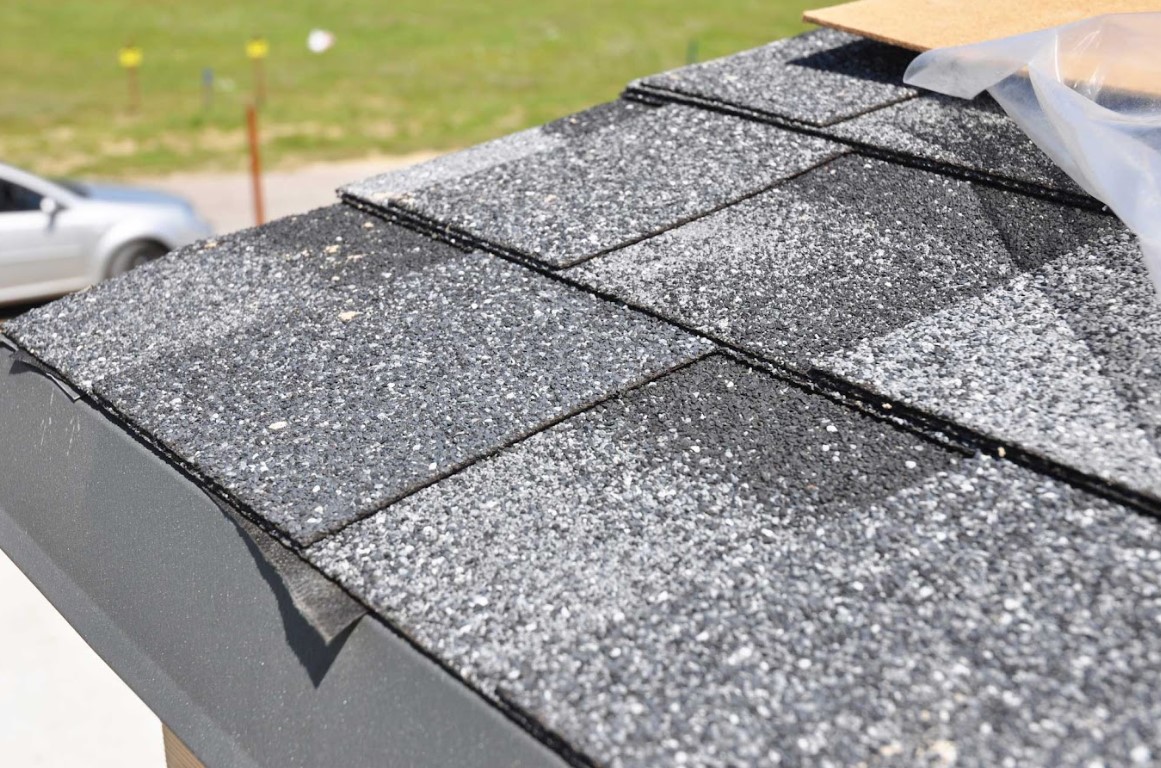
Asphalt shingle roofs are the most popular roofing option. They let you have a beautiful roof at a price you can afford. A high-quality asphalt roof can improve your home’s curb appeal while at the same time offering excellent protection to your home and belongings.
However, because they contain oils, asphalt materials are highly susceptible to sun damage and wear, which makes regular inspections important to catch drying or cracking early.
Metal Roofing
Metal roofs are particularly durable and long-lasting. They truly offer a sophisticated beauty that can withstand anything our climate can throw at them. Unlike other options, metal naturally reflects solar radiation instead of absorbing it, making it an excellent defense against severe summer roof problems.
If you’ve been considering an upgrade for your existing roof, we would love to show you what a metal roof can do for you.