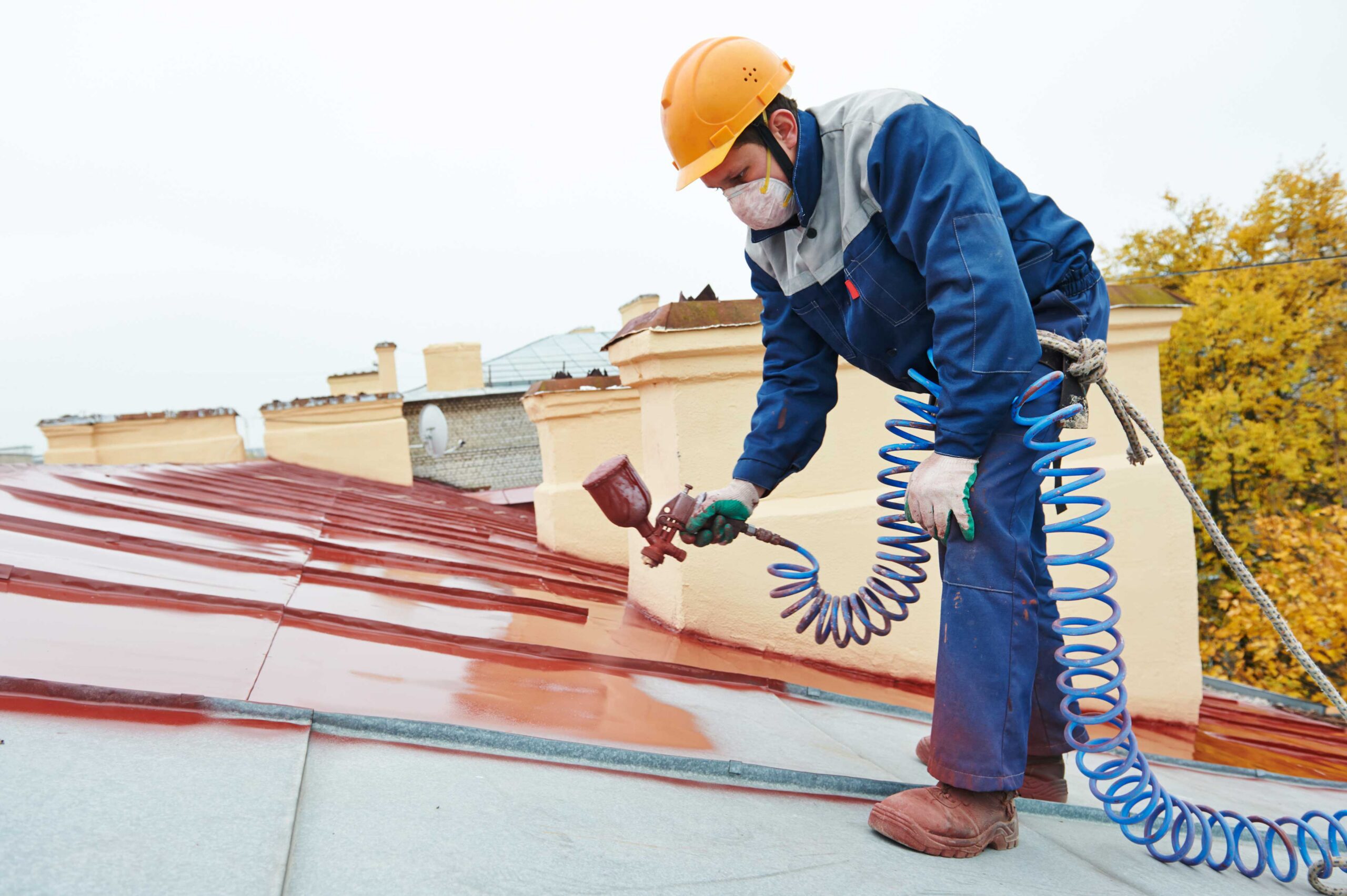
If you’ve stepped outside on a quiet morning in Central Alabama, you know how peaceful it can be right before the summer heat really settles in. But as the sun gets higher and the temperature climbs toward the 90s, you might suddenly hear a strange clicking, cracking, or popping sound coming from right above your head. It’s a situation that catches many homeowners off guard, and it naturally leaves them wondering: Is a metal roof loud in hot weather, or is there something seriously wrong with my home? For neighborhoods stretching from Prattville to Hoover, these sudden midday noises can cause plenty of unnecessary worry.
At IRoof, we believe in giving our neighbors clear, honest answers backed by over 25 years of local experience. We are your neighbor with a roofing license, and we are here to tell you that a few quiet clicks and pops are completely normal physics at work. Let us look at what causes these sounds during our intense local summers, how high-quality roofing systems are engineered to handle them, and when a sound actually signals that it’s time to call in the professionals.
Key Takeaways
- Natural Thermal Movement: A standard steel roof panel can physically expand by about a quarter of an inch during a hot Alabama summer day.
- Normal vs. Problem Sounds: Intermittent morning and evening clicks are completely normal, but loud banging sounds point to restricted panels.
- The Importance of Installation: Proper fastening techniques and floating clip systems are essential for a quiet, long-lasting roof.
If you’re hearing unusual noises and want an honest assessment, IRoof is here to help. Schedule your free inspection and let us protect your home together.
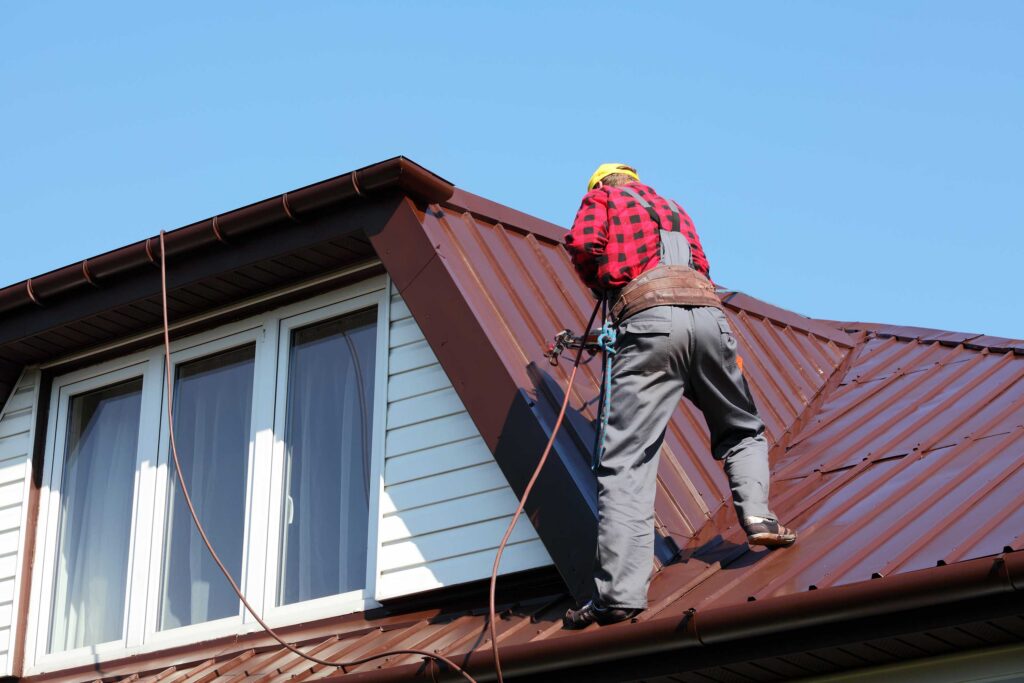
The Physics Behind a Metal Roof Making Popping Noise in Summer
To understand why your roof is talking to you, it helps to recall a quick high school science lesson. All physical materials expand when they heat up and contract when they cool down, and steel is no exception.
During peak summer months, our local sun beats down mercilessly, pushing residential roof surface temperatures anywhere from 150°F to a blistering 190°F. This massive temperature spike excites the atoms in the metal panels, causing them to occupy more physical space.
In fact, a 30-foot steel roof panel exposed to this level of heat will physically grow by about one-quarter of an inch over the course of the morning.
When the sun sets or an evening rain shower rolls through, the opposite happens, and the material rapidly shrinks back down. The sounds you hear are simply the result of friction and tension being released at the tiny points where your expanding panels touch your roof deck, at overlapping seams, or at installation fasteners.
Important Factors to Consider Before Worrying About Roof Noise
Before you start stressing over a noisy roof, take a step back and consider these key environmental and installation factors.
The Timing of the Sounds
Do the noises happen consistently when the sun first hits the roof in the morning, or right as the air cools down in the evening? If the sounds directly correlate with these temperature changes, it’s a clear sign of normal thermal expansion in metal roofing Alabama behavior.
The Intensity of the Noise
Quiet clicks, snaps, or pops are a normal part of the roof settling and shifting. However, heavy, structural banging sounds that shake the ceiling indicate that something is restricting the metal from moving freely.
The Style of Your System
How your roof was put together plays a massive role in how it handles seasonal movement. Well-engineered residential systems are designed to manage this daily shift completely safely.
The Color of the Panels
Darker roof colors absorb significantly more solar radiation than light shades, leading to larger daily temperature swings and more noticeable physical expansion.
If you’re trying to decipher a strange sound coming from your attic today, we can walk you through every step, no pressure, no guesswork.
Types of Residential Roofs We Work On
When you talk to one of our residential roofing experts here at IRoof, we will guide you to the best option for your specific needs, home design, and budget.
Asphalt Shingle Roofing
A well-installed asphalt shingle roof from IRoof will enhance your home’s curb appeal and will provide the protection to your home and belongings that you need. Shingles also expand and contract under the sun, but because they are flexible, they do it silently.
Metal Roofing
If you’ve been considering an upgrade for your existing roof, we would love to show you what a metal roof can do for you. Because metal is rigid, managing thermal movement is the single most important part of the installation process.
We specialize in two distinct metal options:
- Steel Roofing
- Standing Seam Metal Roofing
When to Worry: Structural Noise vs. Installation Errors
While occasional quiet popping is harmless, loud or changing noises can indicate serious mistakes by inexperienced installers. If a contractor anchors a long steel panel too tightly at both ends, the metal cannot slide smoothly as it expands.
This restricted movement forces the steel to buckle under pressure, creating loud, disruptive banging sounds and a visible, wavy distortion along the flat areas of your panels known as “oil-canning.”
Ignoring these structural installation errors can cause serious issues over time:
- Over-tightened screws can experience massive stress, eventually snapping or backing out completely.
- Continuous binding can permanently warp and distort your beautiful steel panels.
- On some systems, restricted movement can enlarge fastener holes over time, creating direct entry points for water.
- Chronic stress can cause clip fatigue, weakening your roof’s defense against high-wind storms.
Working with experienced metal roofing contractors Montgomery AL helps make sure that your fasteners are torqued perfectly and your standing seam system uses proper floating clips to let the panels slide silently and safely.